
What Causes Slab Leaks?
March 5, 2026Homeowners often encounter various plumbing issues, and one of the most troublesome is the notorious slab leak. Slab leaks can cause significant damage if not addressed promptly, making it crucial for homeowners to understand the root causes of these issues. In this blog post, we will delve into the causes of slab leaks, including faulty installation practices, the materials used, and the impact of shifting soils beneath homes.
What Causes Slab Leaks?
Plumbing Materials Used During Installation
Understanding the materials used in plumbing systems is fundamental to identifying potential causes of slab leaks. The age of a home’s plumbing system often dictates the materials used during construction; each material has its own advantages and vulnerabilities.
Cast-iron pipes were prevalent in homes constructed before the 1960s. While cast iron offers durability and fire resistance, it is susceptible to corrosion when installed as underground service lines. Modern cast iron pipes address this issue by incorporating protective materials, improving their longevity compared to their outdated counterparts.
Galvanized steel pipes, standard in homes until the 1950s, are robust but prone to corrosion and clogging. As the protective coating inside these pipes wears off over time, rust and mineral deposits can accumulate and obstruct the plumbing lines. The lifespan of galvanized steel plumbing pipes is typically around 50 years.
Rigid copper pipes, popular today for hot and cold water supply lines, boast durability and corrosion resistance. However, careful installation is crucial, as dents in the water line can lead to thinning and eventual leaks. Meanwhile, plastic pipes offer corrosion resistance and versatility, making them suitable for above- and below-ground installations.
Faulty Installation
The choice of plumbing materials is only part of the equation; faulty installation practices can exacerbate the risk of slab leaks. With knowledge of the original plumbing work, homeowners may be aware of the lines’ locations, materials, and the quality of the installation. A minor error during installation, such as a dent in a copper pipe or improper sealing, can escalate over time, resulting in leaks.
Shifting Soil
While faulty installation and materials contribute to slab leaks, the primary culprit is often the shifting of expansive soils beneath homes. According to the American Society of Civil Engineers (ASCE), approximately 25% of U.S. homes experience damage from expansive soils. This staggering statistic underscores the significant impact of soil movement on residential structures.
Expansive soil exerts hydraulic pressure beneath the home, causing soil expansion and slab damage. The ASCE estimates that the annual cost of damage from expansive soils in the U.S. sexceeds$2.3 billion, surpassing the combined cost of property damage from floods, earthquakes, hurricanes, and tornadoes. The slow, persistent nature of slab leaks continuously adds water to the soil beneath a home, exacerbating soil expansion and increasing the likelihood of substantial damage.
In some instances, the upward pressure finds cracks or weaknesses in the slab, resulting in wet spots on the flooring. In severe cases, the pressure causes the floor to erupt, resembling a geyser and flooding the home.
Need A Slab Leak Plumber?
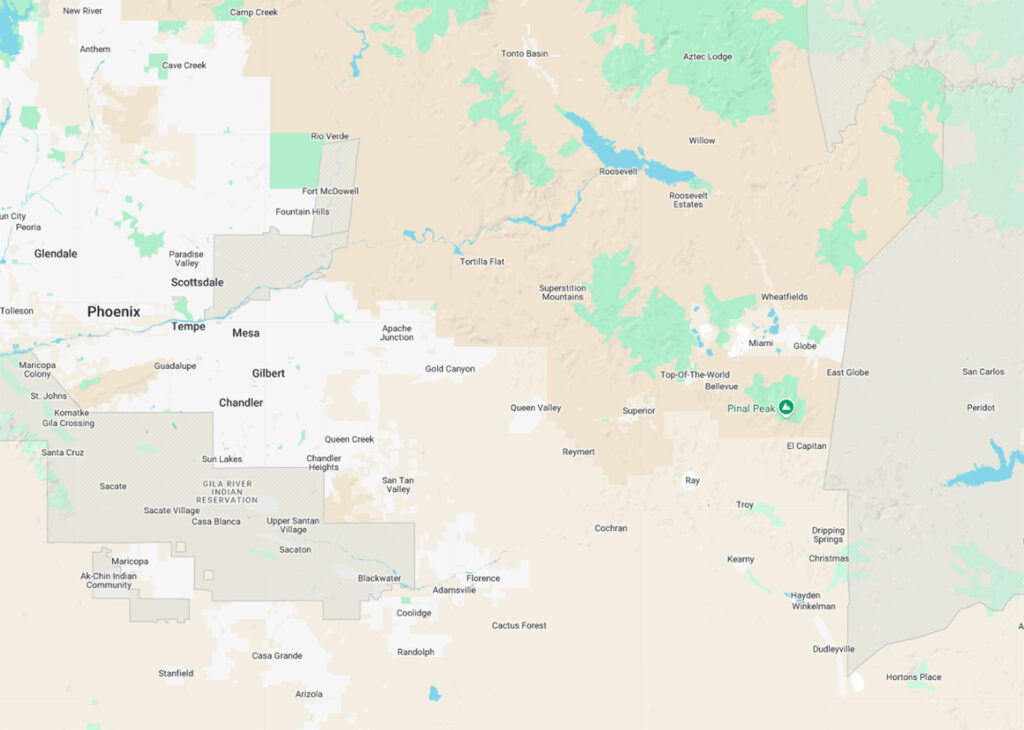
If you find yourself facing the daunting prospect of a slab leak and wonder, “what causes slab leaks,” fear not—Custom Plumbing of Arizona is here to help. Operating 24/7 throughout the year, our dedicated team prioritizes your plumbing emergencies with a swift and efficient response. Serving various areas, including Scottsdale, Phoenix, Glendale, Buckeye, Cave Creek, Chandler, Avondale, Gilbert, Peoria, Surprise, El Mirage, Apache Junction, Mesa, Tempe, and Goodyear. Custom Plumbing of Arizona is your reliable partner for plumbing solutions. Contact us at 602-866-2665 to safeguard your home from slab leaks.

- Anthem
- Back
- Apache Junction
- Back
- Gilbert
- Back
- Mesa